Choosing a stadium seating supplier is not simply a matter of comparing chair prices. For schools, sports clubs, municipal venues, arenas and outdoor fields, seating affects spectator comfort, space planning, safety, installation efficiency and long-term maintenance. A suitable supplier should understand the full project process, from seating type and material selection to layout planning, bulk supply and after-sales support.
A stadium seating supplier is a company that provides seating products and project support for sports venues, including seat selection, layout advice, material options, customization, bulk supply and installation-related coordination.
For project buyers, the right supplier should help answer practical questions: Which seat type fits the venue? How many seats can the area support? Which material works better outdoors? Does the project need fixed seating, bleacher seating, retractable seating or a portable grandstand? This guide explains how to evaluate a stadium seating partner before making a purchasing decision.
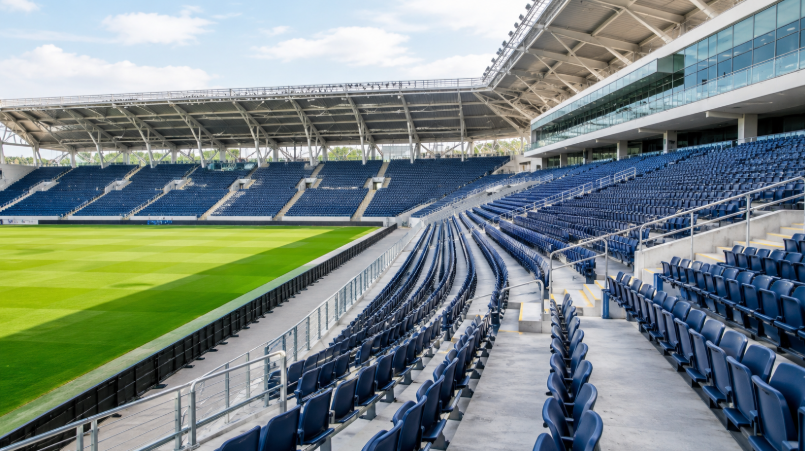
A professional supplier does more than ship seats. In sports venue projects, seating must match the building structure, spectator flow, viewing angles, budget and maintenance plan. FIFA’s stadium guidance highlights that stadium bowl design involves sightlines, capacity calculation and circulation, which shows why seating decisions should be made as part of the venue plan rather than treated as a separate product purchase.
In most projects, stadium seating suppliers may support buyers in the following areas:
Product selection: fixed seats, bleacher benches, grandstand seating, retractable seating and other venue seating systems.
Specification matching: seat material, color, mounting method, row layout, backrest design and armrest requirements.
Project supply: bulk order planning, production coordination, packaging, delivery and quotation support for contractors or venue owners.
For small school fields, the buyer may need a simple, durable seating solution. For larger sports facilities, the supplier may need to consider seat numbering, aisle planning, VIP areas, accessibility, weather resistance and long-term replacement needs. The best supplier is not always the one with the lowest unit price; it is the one that reduces project risk and helps buyers make decisions based on real venue conditions.
Before choosing a stadium seating supplier, buyers should compare both the product and the supplier’s project capability. Seating may look similar in photos, but differences in material, structure, mounting design and customization support can affect the project for years.
| Factor | What Buyers Should Check | Why It Matters |
|---|---|---|
| Material | Plastic, metal, aluminum or mixed structures | Affects durability, weather resistance, maintenance and cost |
| Structure | Fixed, foldable, bench, grandstand or retractable system | Determines how the seating works with the venue layout |
| Safety | Mounting stability, aisle planning and access routes | Important for public-use sports venues and event spaces |
| Weather Resistance | Outdoor exposure, UV resistance and corrosion resistance | Essential for open-air stadiums and school sports fields |
| Customization | Color, logo, seat numbering and project packaging | Helps match venue branding and procurement requirements |
| Bulk Supply | Production capacity, lead time and order consistency | Reduces risk for contractors and multi-phase projects |
Accessibility should also be discussed early. The 2010 ADA Standards state that assembly areas must provide wheelchair spaces and companion seats, and wheelchair spaces should offer lines of sight and seating location choices that are comparable to those available to other spectators. For U.S.-related projects, these requirements can influence seating layout, aisle access and row planning.
When comparing suppliers, buyers should ask for clear answers to these points:
Can the supplier recommend seating based on venue type, not only product catalog photos?
Can the supplier support project quantities, color consistency and bulk packaging?
Can the supplier provide drawings, specifications or installation-related guidance for contractor review?
Different venues need different seating systems. A stadium seating supplier should help buyers choose the right type based on whether the venue is permanent, temporary, indoor, outdoor or multi-purpose.
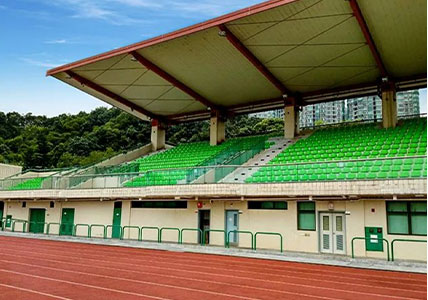
Fixed stadium seating is suitable for permanent sports venues, school stadiums, arenas and audience stands where stable long-term seating is needed. It provides a clean seating arrangement and can support color zoning, seat numbering and venue branding.
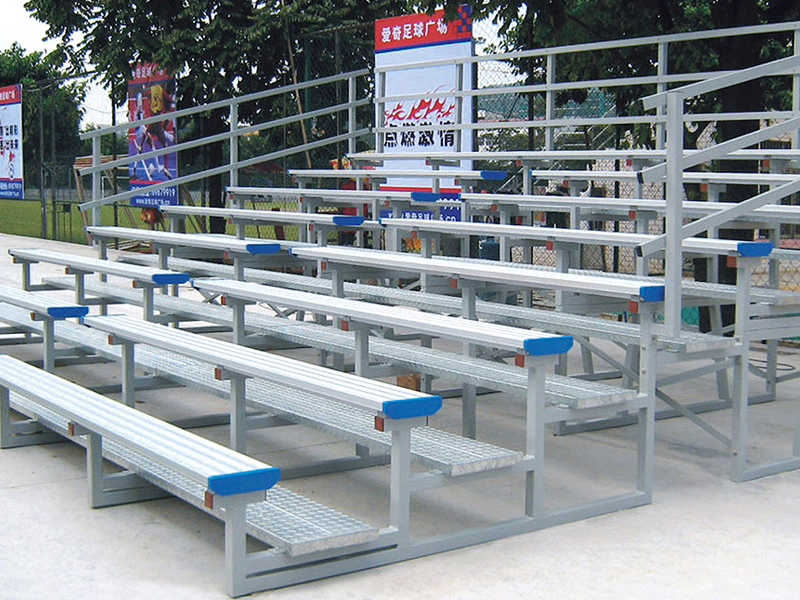
Bleacher seating is often used for schools, community sports fields and training venues. It can offer a practical balance between capacity, cost and maintenance. Aluminum bench-style seating is common in outdoor environments because it is lightweight and suitable for repeated public use when properly designed and installed.
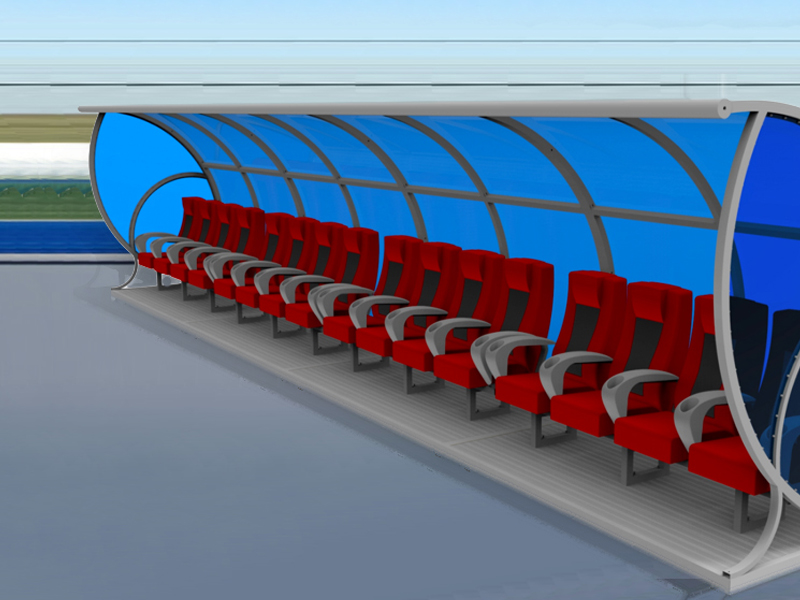
Portable grandstands are useful for flexible venues, temporary events and fields that need movable or seasonal seating. A portable grandstand can help venues add spectator capacity without committing to a fully permanent seating structure.
For buyers comparing seating types, the decision can be simplified as follows:
Choose fixed seating when the venue needs a permanent, organized spectator area.
Choose bleacher seating when the project needs practical capacity for schools, training fields or community sports use.
Choose portable grandstand seating when flexibility, relocation or temporary event capacity is important.
Some venues may also consider retractable seating when the space must serve multiple purposes, such as sports, ceremonies, school events and indoor performances. In these cases, early planning is important because the seating system needs to work with floor space, storage position, access routes and event scheduling.
For contractors, distributors and venue owners, custom and wholesale stadium seats can be more practical than buying small quantities from general suppliers. Large projects often need consistent seat color, reliable batch quality, organized delivery and packaging that supports installation efficiency.
Custom options may include seat color, logo, numbering, backrest style, mounting accessories and packaging requirements. These details may seem minor at the quotation stage, but they become important during installation and long-term venue operation.
Wholesale stadium seats and wholesale stadium chairs are especially relevant for schools, public sports facilities, football fields, basketball arenas and community stadiums. Bulk purchasing allows buyers to coordinate delivery by project phase, keep seat appearance consistent and reduce communication time across the supply chain.
ACT GROUP supports stadium seating solutions for different sports venue projects, including fixed stadium seating, grandstand seating and related sports facility products. For buyers who need a reliable supplier, the key is to provide the supplier with the venue type, expected capacity, outdoor or indoor use, preferred seating style and project schedule. With these details, the supplier can recommend a seating solution that fits both performance and procurement needs.
Ask about seating types, material options, outdoor durability, customization, bulk order capacity, delivery planning and project support. A good supplier should understand your venue type and recommend seating based on actual project conditions.
Fixed seating is designed for permanent spectator areas, while portable grandstand seating is better for flexible venues, temporary events or fields that may need movable seating capacity.
Yes. Wholesale stadium seats are suitable for schools, community fields and public sports facilities when the project needs consistent quality, bulk supply and coordinated delivery.
Accessibility affects seating layout, wheelchair spaces, companion seats, aisles and sightlines. For projects that follow ADA requirements, these details should be discussed before finalizing the seating layout.
Choosing the right stadium seating supplier helps sports venue buyers reduce project risk, improve spectator experience and control long-term maintenance. Instead of focusing only on seat price, buyers should compare materials, seating types, safety, customization, bulk supply and project support. ACT GROUP can support stadium seating projects with product selection, quotation discussion and practical supply solutions for different venue needs.