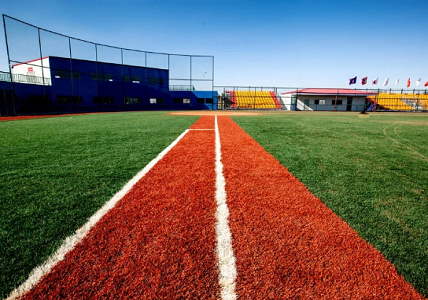
Eco sports turf refers to a type of sports turf that meets athletic performance requirements while delivering strong ecological benefits and environmental friendliness.
Environmentally Friendly: Eco sports turf uses sustainable materials and processes, such as natural fibers or biodegradable materials for the turf fibers, reducing environmental pollution. The manufacturing process emphasizes energy conservation and emission reduction, lowering carbon footprint and energy consumption. Additionally, the turf features a well-designed drainage system that efficiently collects rainwater, enabling water recycling and minimizing water waste.
Superior Athletic Performance: Eco sports turf offers excellent elasticity and cushioning, effectively reducing impact forces on athletes and lowering injury risks during sports activities. The turf provides moderate friction, ensuring athlete stability and control without causing excessive abrasion to the skin. Furthermore, eco sports turf exhibits good wear resistance and weather durability, adapting to various climatic conditions and high usage intensity, thereby extending its service life.
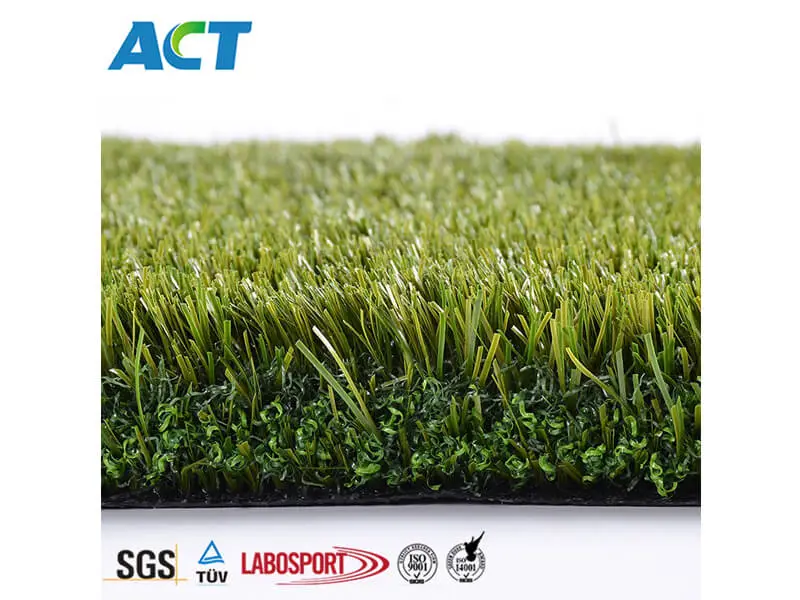
Aesthetic and Comfortable: The turf fibers display vibrant, natural colors with high realism, creating a visually pleasing, lifelike grass effect. The texture is soft and comfortable underfoot, allowing athletes to enjoy greater comfort and relaxation during physical activity.
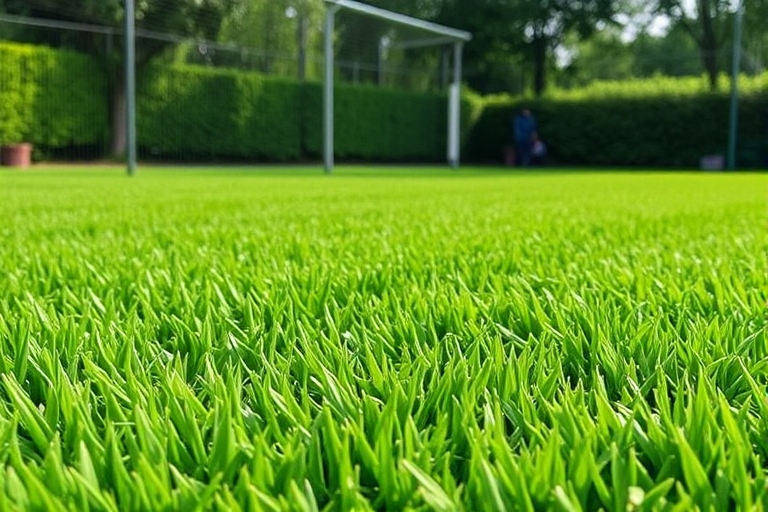
Natural Turf: Grown from natural grass species such as Bermuda grass, Zoysia, and Kentucky bluegrass. Natural turf offers excellent ecological benefits by absorbing carbon dioxide, releasing oxygen, regulating the climate, and preventing soil erosion. It also delivers good athletic performance with sufficient elasticity and wear resistance, suitable for a variety of sports.
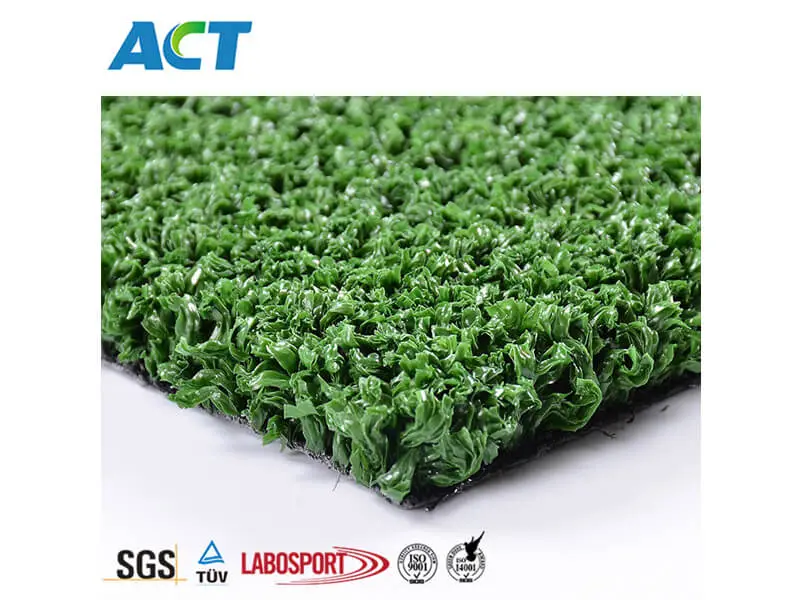
Artificial Turf: Made from synthetic materials like polypropylene and polyethylene. Artificial turf boasts a long service life, low maintenance costs, and is less affected by weather conditions. Modern bulk artificial grass has significantly improved its environmental performance by using eco-friendly materials and manufacturing techniques, reducing pollution. Its athletic performance can be customized to meet the demands of different sports.
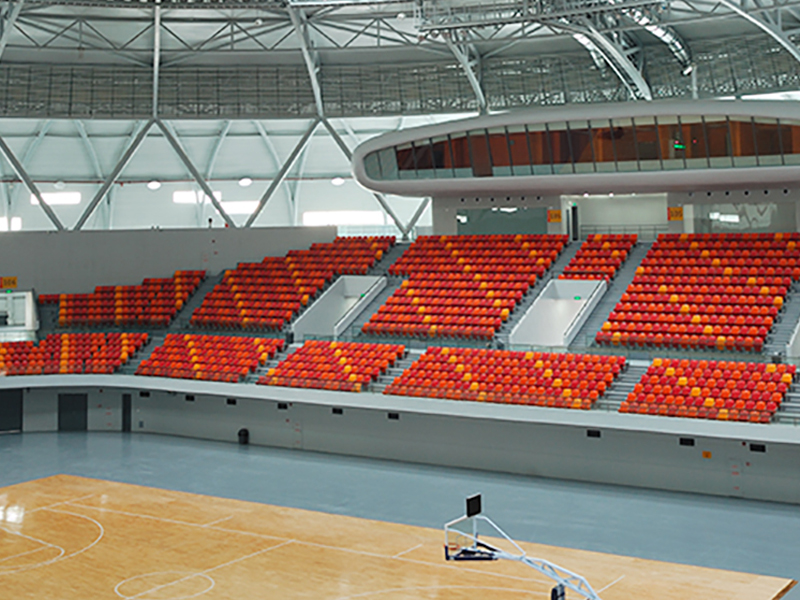
Sports Venues: Such as football fields, tennis courts, and basketball courts, providing athletes with high-quality playing surfaces that enhance performance and spectator experience.
School Playgrounds: Offering students a safe and comfortable space for physical activity, promoting health and overall development.
Community Parks: Serving as recreational and fitness areas for residents, strengthening community cohesion and improving quality of life.
Golf Courses: Delivering premium playing surfaces for golf enthusiasts, elevating the golfing experience and enjoyment.