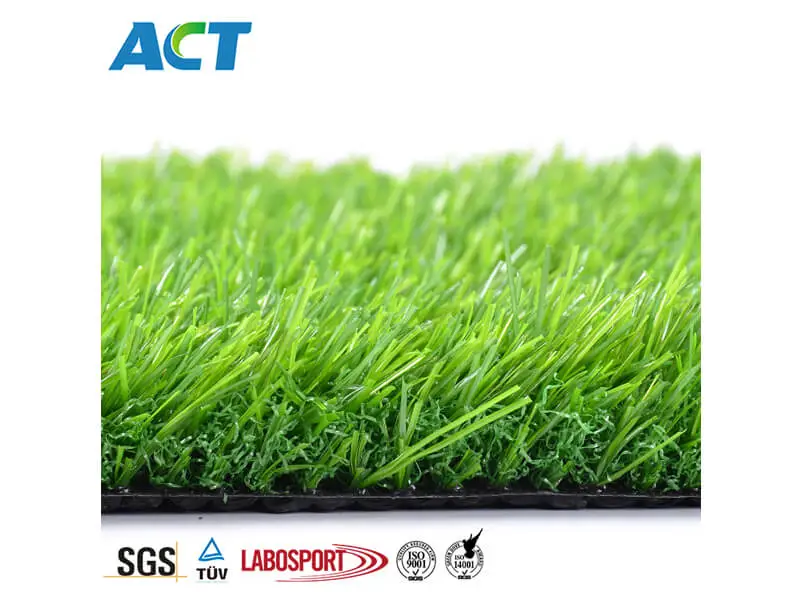
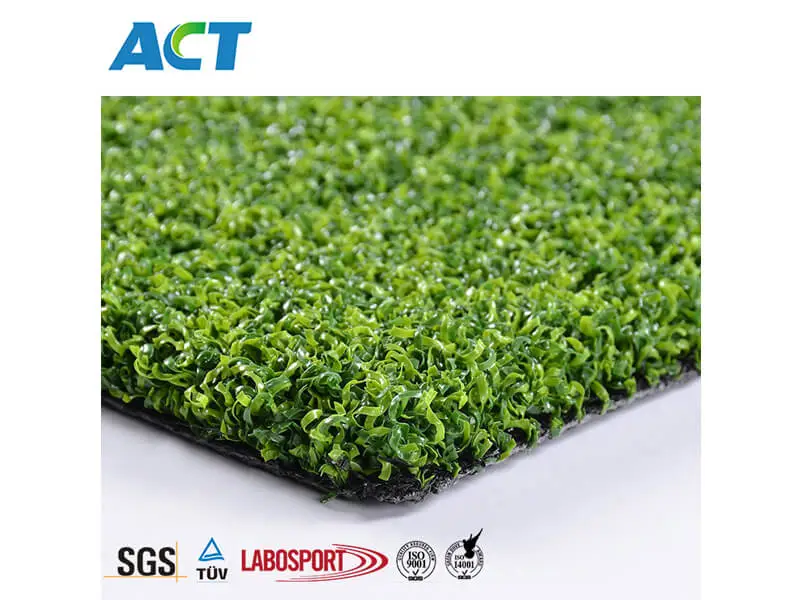
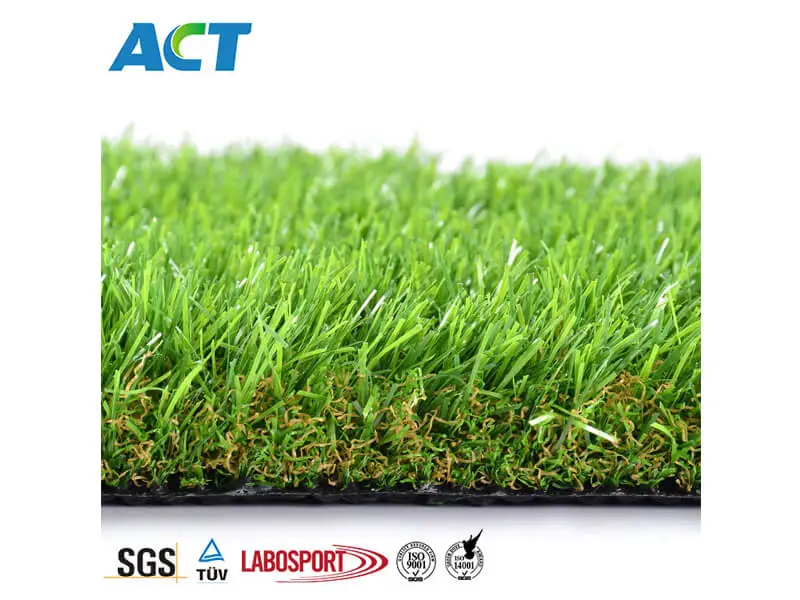
Choosing the right driving range mats for sale requires more than selecting a piece of artificial turf. Professional golf facilities, training academies and commercial driving ranges need mats that can withstand repeated swings, provide realistic ball striking conditions, reduce player fatigue and maintain performance in different environments. Key factors include turf material, backing structure, thickness, size, durability, drainage performance and customization options. For golf course operators, coaches and facility developers, investing in suitable golf mats can improve user experience while reducing long-term replacement and maintenance costs. This guide explains the main materials, selection factors and purchasing considerations for commercial golf practice mats.
Driving range mats are specially designed artificial turf surfaces that allow golfers to practice swings from a stable and consistent platform. Unlike ordinary artificial grass, professional golf mats are engineered to handle repeated club impacts while providing proper support during practice.
They are commonly used in:
Outdoor golf driving ranges
Indoor golf simulation centers
Golf training academies
Professional coaching facilities
School and community golf programs
Commercial practice areas
For high-frequency applications, the mat structure plays an important role. A quality driving range mat usually combines a durable synthetic turf layer with shock-absorbing materials and a stable rubber or composite base. Compared with natural grass practice areas, golf driving range mats for sale offer more consistent conditions and require less daily maintenance, making them a practical solution for facilities with continuous player traffic. Facility operators can also refer to professional golf industry resources from the United States Golf Association (USGA) when planning golf practice areas and improving course management standards.
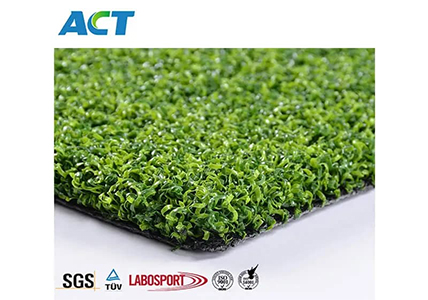
The performance of a golf mat depends largely on its construction. Commercial-grade mats typically include several layers, each serving a specific function.
1. Artificial turf layer
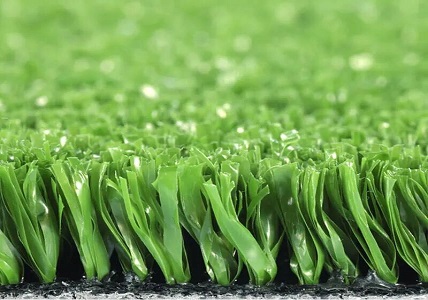
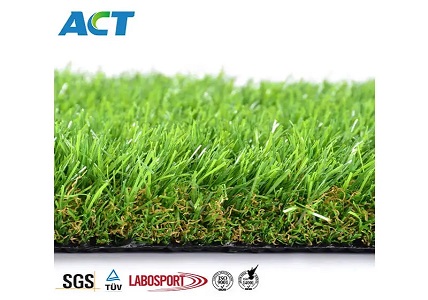
The top surface is usually made from synthetic fibers designed to simulate natural grass. High-density polyethylene (PE) or polypropylene fibers are commonly used in artificial golf turf because they provide good resilience and resistance to repeated impact.
Important turf characteristics include:
Fiber density
Pile height
UV resistance
Wear resistance
Ball support performance
A denser turf surface generally provides better durability for busy driving ranges.
2. Shock absorption layer
The impact from golf swings transfers significant force into the mat surface. A shock-absorbing layer helps reduce stress on players' wrists, elbows and joints while improving comfort during extended practice sessions.
This feature is especially important for:
Golf academies
Professional training facilities
High-volume commercial ranges
3. Rubber backing and base structure
The backing layer improves stability and prevents the mat from moving during use. Rubber-backed designs also help protect the underlying floor or concrete surface.
For outdoor installations, the backing should also support:
Water drainage
Weather resistance
Temperature changes
Long-term structural stability
ACT Group provides customized artificial turf solutions and golf practice surfaces designed for different installation environments and usage requirements.
The correct mat size depends on how the facility will be used. A single golfer training area requires different dimensions compared with a multi-player driving range platform.
Common considerations include:
| Application | Recommended Size Consideration |
|---|---|
| Individual practice area | Compact size for one golfer |
| Golf academy | Larger surface for coaching activities |
| Commercial driving range | Multiple player layout with connected mats |
| Indoor golf center | Space-efficient customized dimensions |
Thickness is another important factor. A thicker golf mat generally provides:
Better shock absorption
Improved stability
Longer service life
More comfortable practice experience
However, thicker does not always mean better. Buyers should consider the balance between player frequency, installation location and budget.
For example:
Low-use training areas may require standard thickness options.
Commercial driving ranges with hundreds of daily swings need heavy-duty structures.
Portable practice areas may prioritize lighter designs.
Custom sizing is also valuable for projects with unique layouts, including golf clubs, resorts and sports facilities.
The lifespan of a golf mat depends on material quality, usage intensity and maintenance conditions. Commercial driving range mats are exposed to thousands of impacts, so durability should be evaluated before purchase.
Key durability factors include:
High-quality synthetic fibers maintain their shape after repeated club contact. Poor-quality turf may flatten quickly and affect ball positioning.
Outdoor golf mats need protection against sunlight, rain and temperature changes. UV-resistant materials help prevent fading and fiber degradation.
Water accumulation can shorten product life. Outdoor mats should allow efficient drainage to prevent moisture buildup.
A strong backing system reduces movement and protects the turf structure during repeated use.
Regular cleaning, debris removal and inspection can extend the service life of golf practice mats.
When comparing driving range mats for sale, buyers should evaluate the complete structure instead of focusing only on surface appearance.
For commercial buyers, selecting a supplier is as important as selecting the product. A suitable manufacturer should understand golf facility requirements and provide solutions based on actual usage conditions.
Before placing an order, consider the following points:
Confirm whether the mats will be installed:
Outdoors or indoors
On concrete, artificial flooring or natural ground
In temporary or permanent facilities
Different environments require different backing and drainage designs.
A golf academy with daily lessons requires different durability levels compared with a private practice area.
High-traffic locations should prioritize:
Strong turf fibers
Reinforced backing
Impact resistance
Commercial projects often require customized dimensions, colors, logos or installation solutions. For facilities with unique layouts, custom golf mats can provide flexible options for different training areas and installation requirements.
A professional supplier should support:
Custom sizes
Bulk production
Project-based recommendations
Technical support
Golf facility operators should check whether materials meet relevant safety and performance requirements. Testing information related to material durability, environmental performance and manufacturing standards can help buyers make informed decisions. Understanding professional golf equipment requirements and industry guidelines, such as those provided by The R&A Golf Rules and Equipment Information, can also help buyers select suitable practice solutions for different golf environments.
The best material depends on usage requirements. Commercial golf mats usually combine durable synthetic turf, shock absorption layers and stable rubber backing to provide long-term performance.
Thickness depends on application and frequency of use. High-traffic driving ranges usually require thicker structures for better impact absorption and durability.
Yes. Many manufacturers provide customized sizes, colors, logos and construction options based on project requirements.
Yes. Outdoor golf mats designed with UV-resistant turf and weather-resistant backing can perform well in outdoor driving ranges.
Regular cleaning, removing debris and checking the surface condition can help extend the lifespan of golf mats.